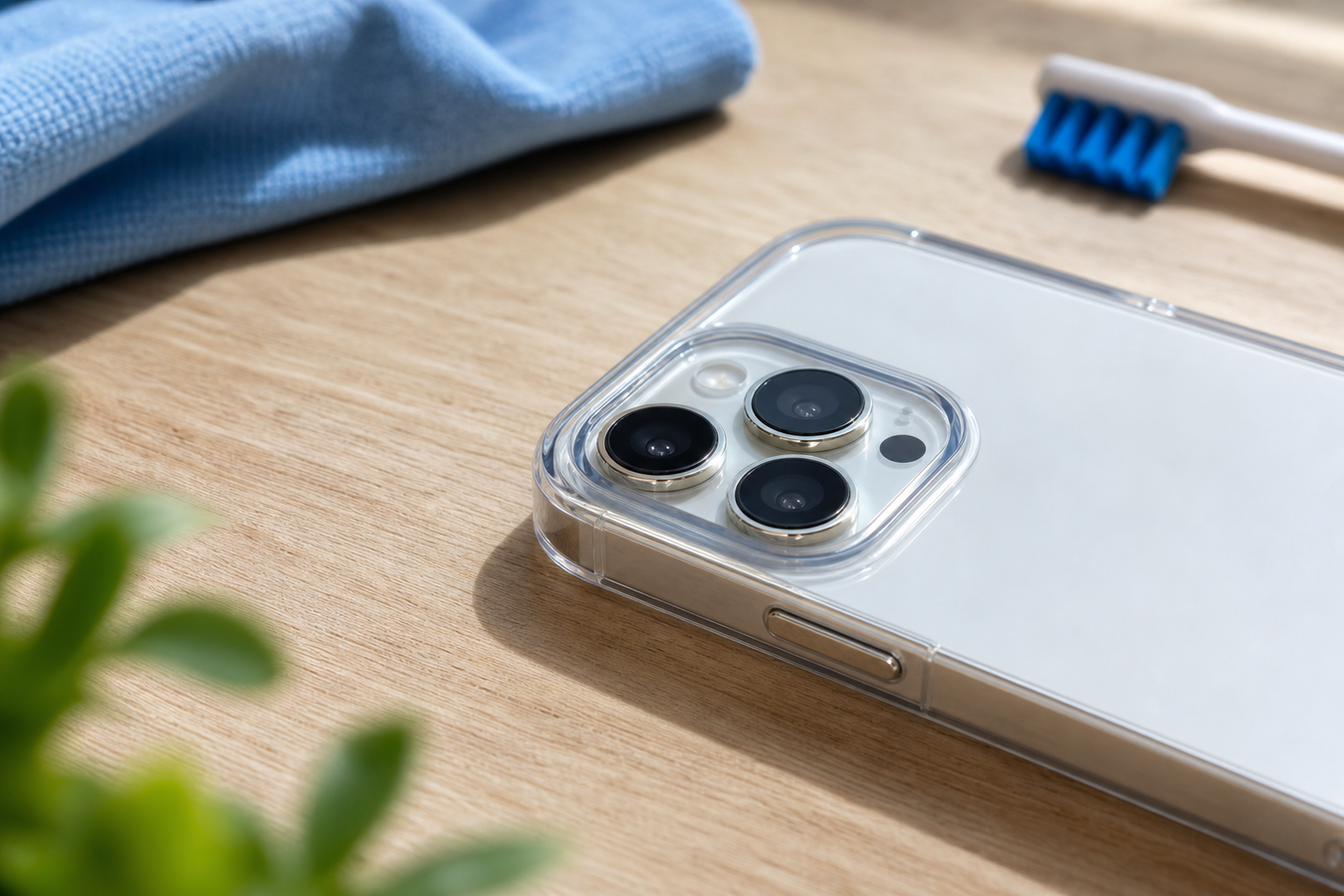
How can you protect your iPhone camera? The most effective option is a phone case with a raised edge of 1.5 to 2 millimeters. That keeps the lenses from touching your table or desk.
For most people, that kind of case is enough. If you also want to protect the lenses themselves from scratches, add a clear tempered glass camera lens protector. Your photos will stay just as sharp.
Why is my iPhone camera so vulnerable?
The camera bump sticks out and always touches the surface first. When you lay your phone flat, its full weight rests on the camera glass. Direct contact with a rough tabletop or a stray grain of sand can quickly scratch a lens.
Repairing the camera module on an Apple iPhone is technically complex and expensive. The lenses sit deep inside the housing. Even the best software in iOS cannot remove a physical scratch from a lens.
How a case protects your iPhone camera
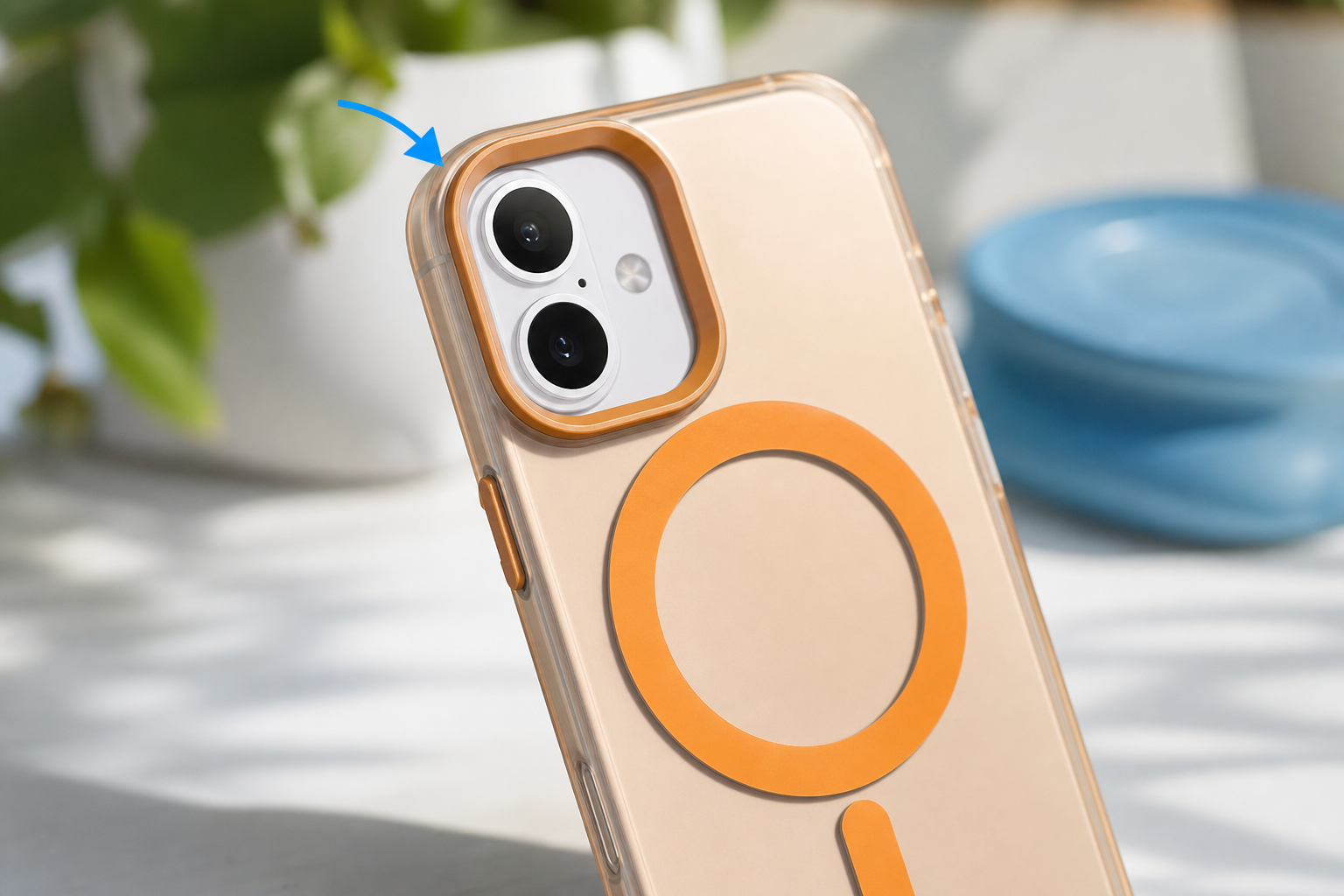
Good iPhone camera protection starts with the right phone case. Pick one with a raised edge around the camera cutout. The edge should sit 1.5 to 2 millimeters above the lenses, so the glass stays clear of the surface when you set your phone down.
In our experience, hybrid cases offer the best protection. Flexible TPU around the edges absorbs impacts, while a rigid polycarbonate back keeps the case from bending and touching the camera bump. After putting on the case, check that the plastic does not overlap the edges of the lenses.
Do you need a camera lens protector?
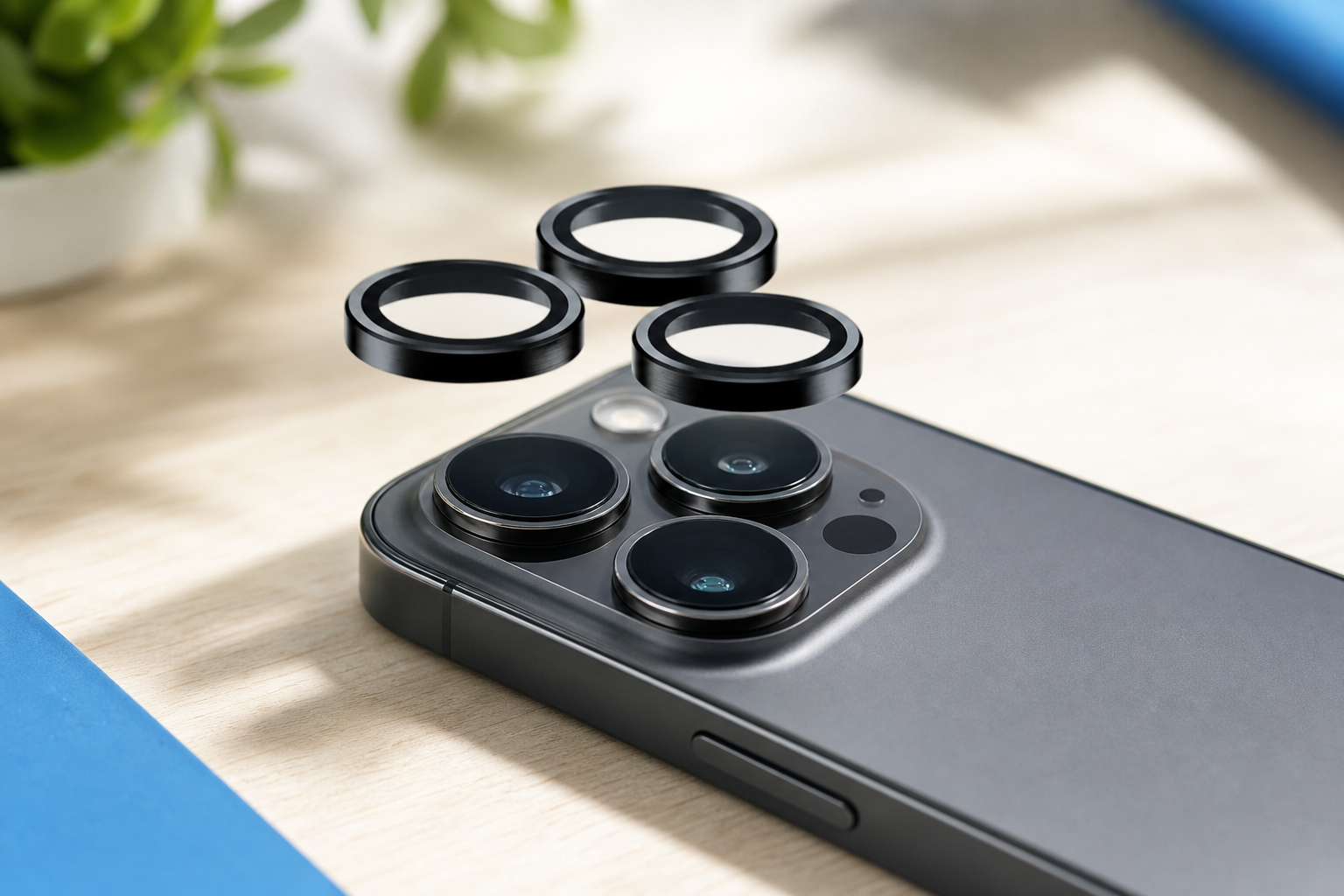
An extra layer of glass sits directly over the lenses. A cheap camera lens protector is often a poor choice. Low-quality plastic can cause reflections and glare and noticeably reduce image quality. Air bubbles under the protector can spoil your photos straight away.
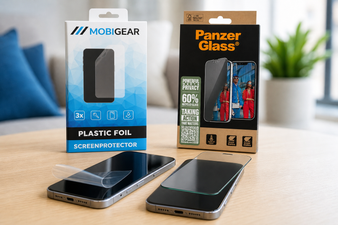
Want extra protection against scratches? Choose a high-quality tempered glass camera lens protector. PanzerGlass and Mobigear both make tempered glass models. Choose a clear one to minimize reflections and loss of sharpness. A high-quality lens protector shields the lenses without damaging their original coating.
Phone case or camera lens protector?
A phone case and a camera lens protector serve different purposes. A case with a raised edge keeps the lenses from touching flat surfaces and absorbs the hardest impacts. A sharp object can still reach the lenses through the cutout.
Glass covers the lenses directly and protects them from scratches, but absorbs little impact if the phone lands on a corner. It can also slightly reduce image quality. For that reason, use a hybrid case to absorb impacts and, if needed, add a tempered glass camera lens protector to guard the lenses against scratches.
How do I prevent scratches on my iPhone camera lens?
Regular cleaning also helps keep the camera glass scratch-free.
Choose a case with well-fitting cutouts so the plastic does not rub against the edges of the lenses. Check with your fingernail that the edges are clear.
Clean around the camera once a week with a soft brush. Sand and dust quickly build up in the cutout.
Before taking pictures, wipe the lenses with a soft, lint-free microfiber cloth. Rough materials such as paper tissues can leave fine scratches.
Checklist for protecting your camera every day
A sturdy case and a camera lens protector help. You can also avoid a lot of damage by taking a few everyday precautions.
Never keep your phone in the same pocket as keys or loose change. Sharp metal objects can damage the camera even with a sturdy lens protector.
Avoid contact with harsh liquids. Apple recommends keeping your iPhone away from soap, perfume, lotion, and sunscreen.
Never pack your phone in checked luggage when you travel. Rough handling and extreme temperature changes often cause irreparable damage.
Frequently asked questions about camera protection
What materials offer the best iPhone camera protection?
A hybrid case made of flexible TPU and rigid polycarbonate works best. It absorbs impacts without bending. For added protection, pair it with a high-quality glass camera lens protector.
How do I apply a camera lens protector?
Remove all dust and grease from the lenses with a microfiber cloth. Rest the protector on the camera first to check that the openings line up with the lenses. Peel off the film, position the protector, and press it gently so the adhesive sticks. Our guide includes an installation video.
Does a camera lens protector affect photo quality?
A cheap plastic protector can significantly reduce image quality by causing reflections. Tempered glass preserves nearly all the sharpness and light that reaches the lenses.
A case with a raised edge and regular cleaning are the best ways to keep the lenses scratch-free. To protect the lenses themselves as well, add a tempered glass camera lens protector. Find the right case or camera lens protector for your iPhone at directcases.com. Shipped today if ordered before 21:00 on working days.