A dead battery while you're navigating an unfamiliar city, or a cracked screen after a drop on the beach, ruins your well-earned break in seconds. When you travel, your smartphone is your camera, sat nav, ticket wallet and translator all at once. If it gives up, you're left empty-handed somewhere you don't know. In this guide to travel tech gadgets, you'll find out exactly which phone accessories for travel you need, so your mobile phone stays charged, protected and ready for your best holiday photos. We share what actually works in practice, which gadgets you can leave at home and how to avoid expensive repairs after your trip.
The ultimate holiday packing list for your phone
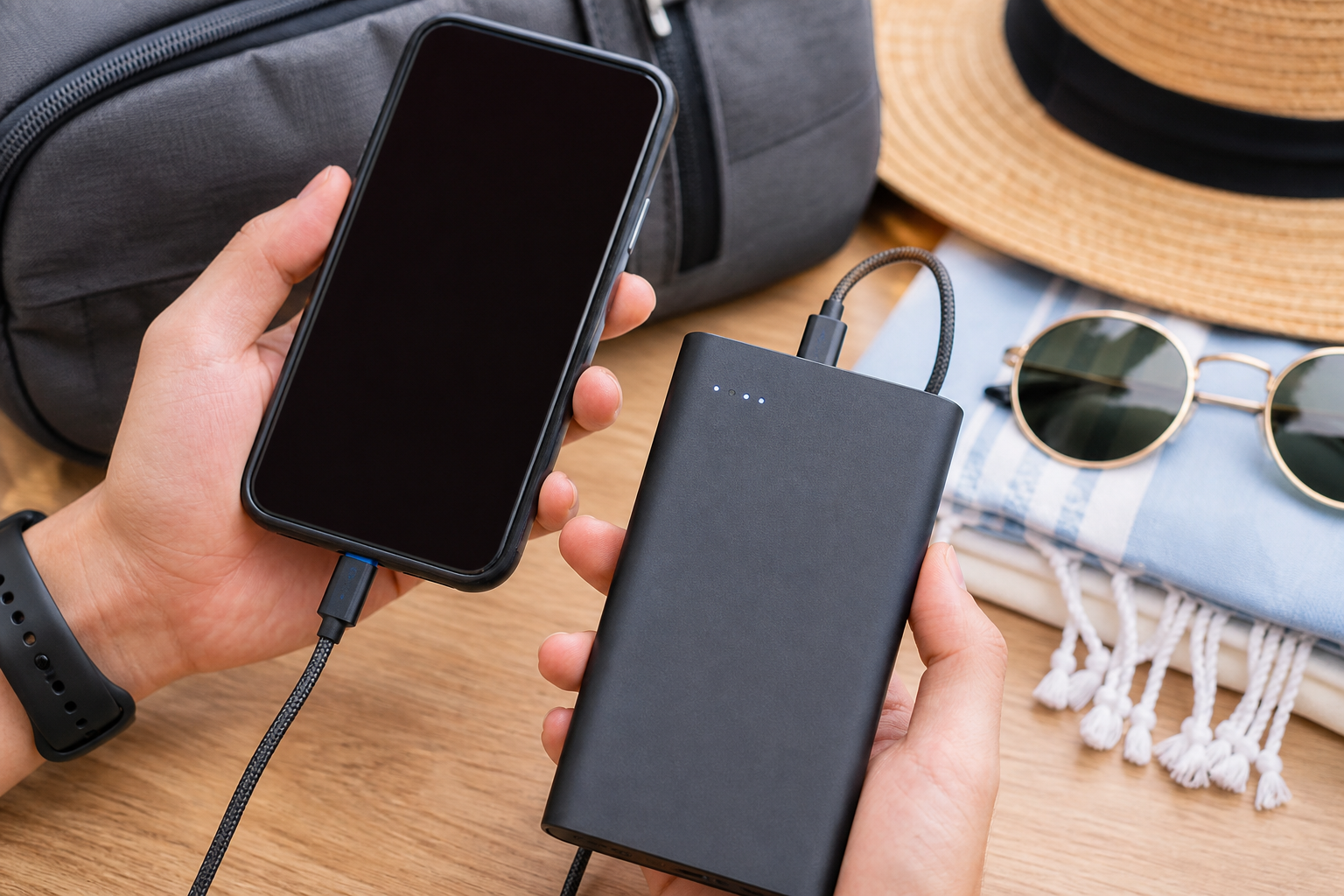
Powerful portable charger (at least 10,000 mAh)
Choose a model with Power Delivery (PD) and a USB-C port for fast charging. A 10,000 mAh power bank gives an average iPhone or Android smartphone two to three full charges, which is essential on long beach days or city breaks.
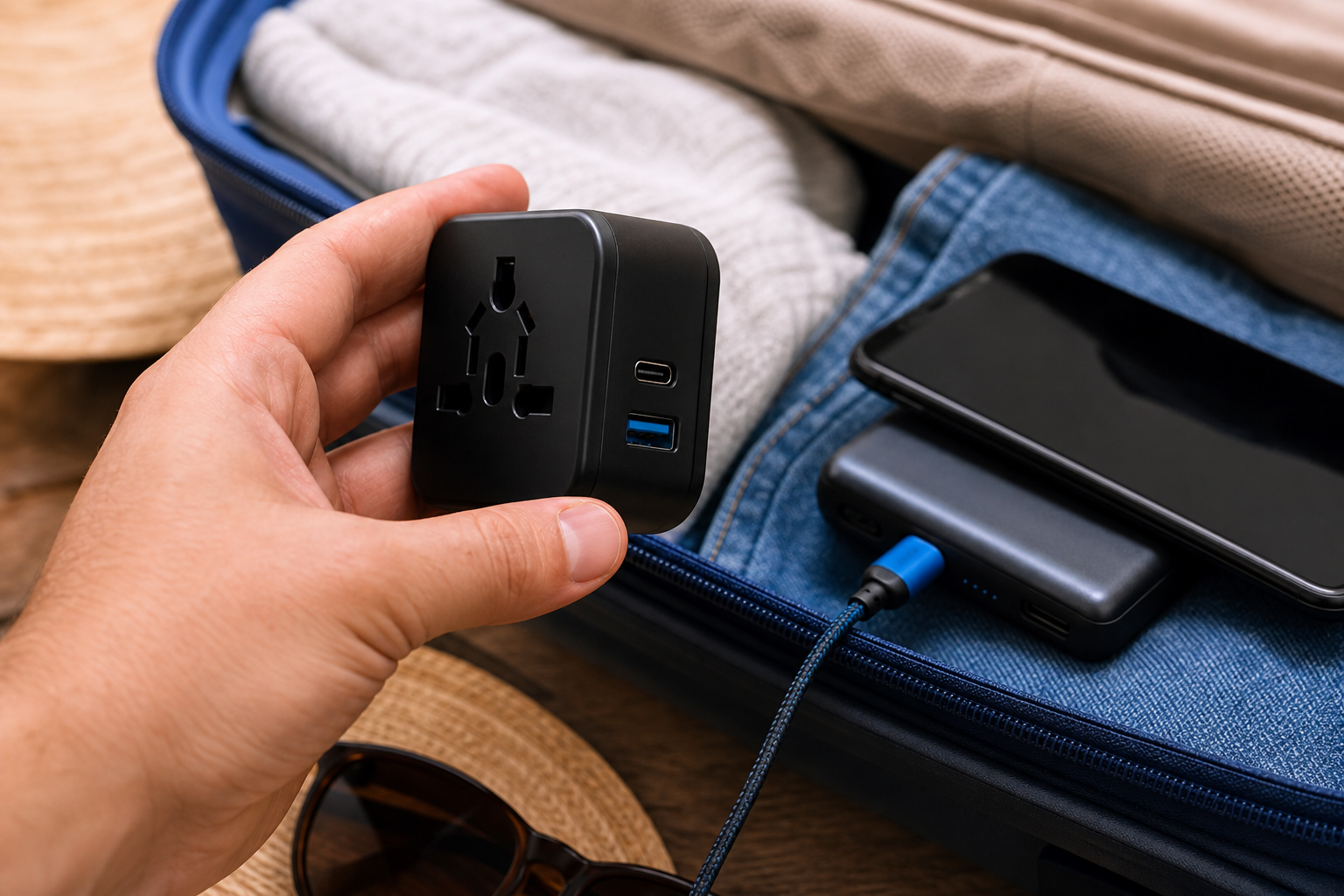
Compact travel adapter with USB ports
Check the plug type and voltage at your destination on a reliable travel website before you go. If you're travelling outside Europe, bring an adapter with built-in USB-A and USB-C ports, so you can charge several devices at once without separate plugs.
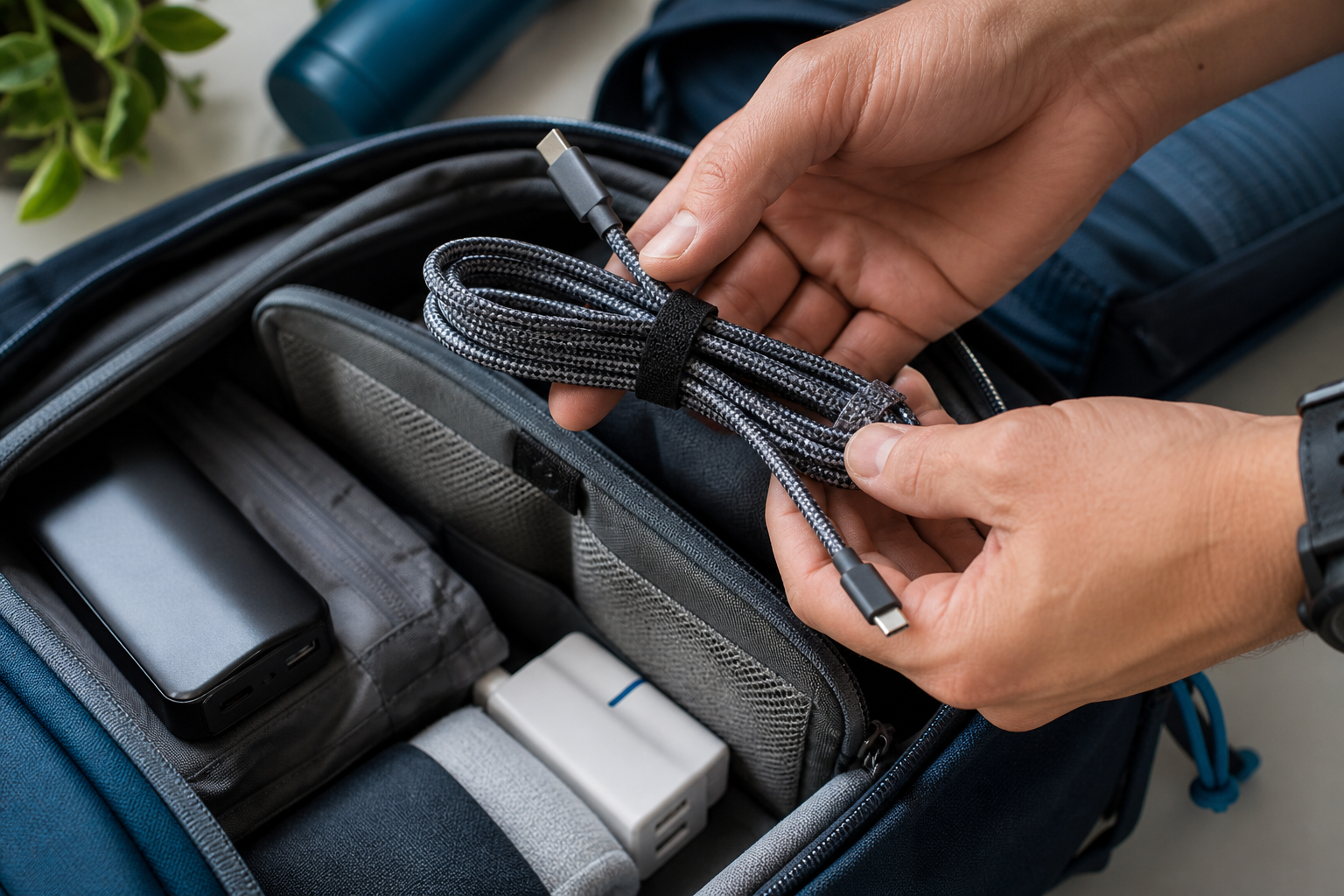
Braided charging cables
Standard plastic cables break quickly when you cram them into an overstuffed backpack or bend them every day. Use braided nylon cables with reinforced connectors for maximum durability on the road.
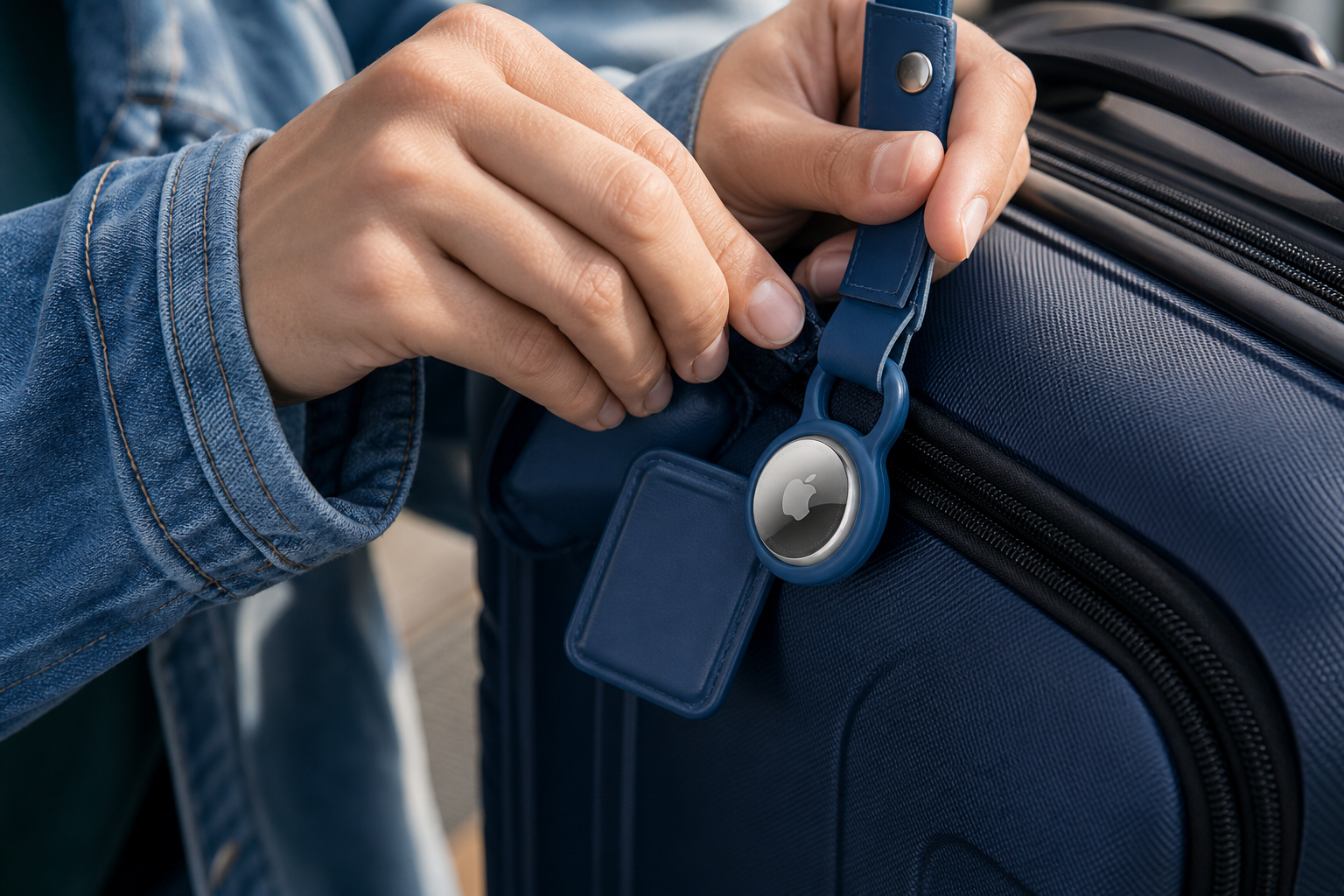
Bluetooth tracker (such as an AirTag)
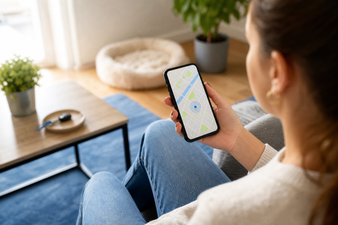
Attach a tracker to your suitcase or tuck one into your hand luggage. If the airline loses your bags, you can see exactly where your belongings are on your phone.
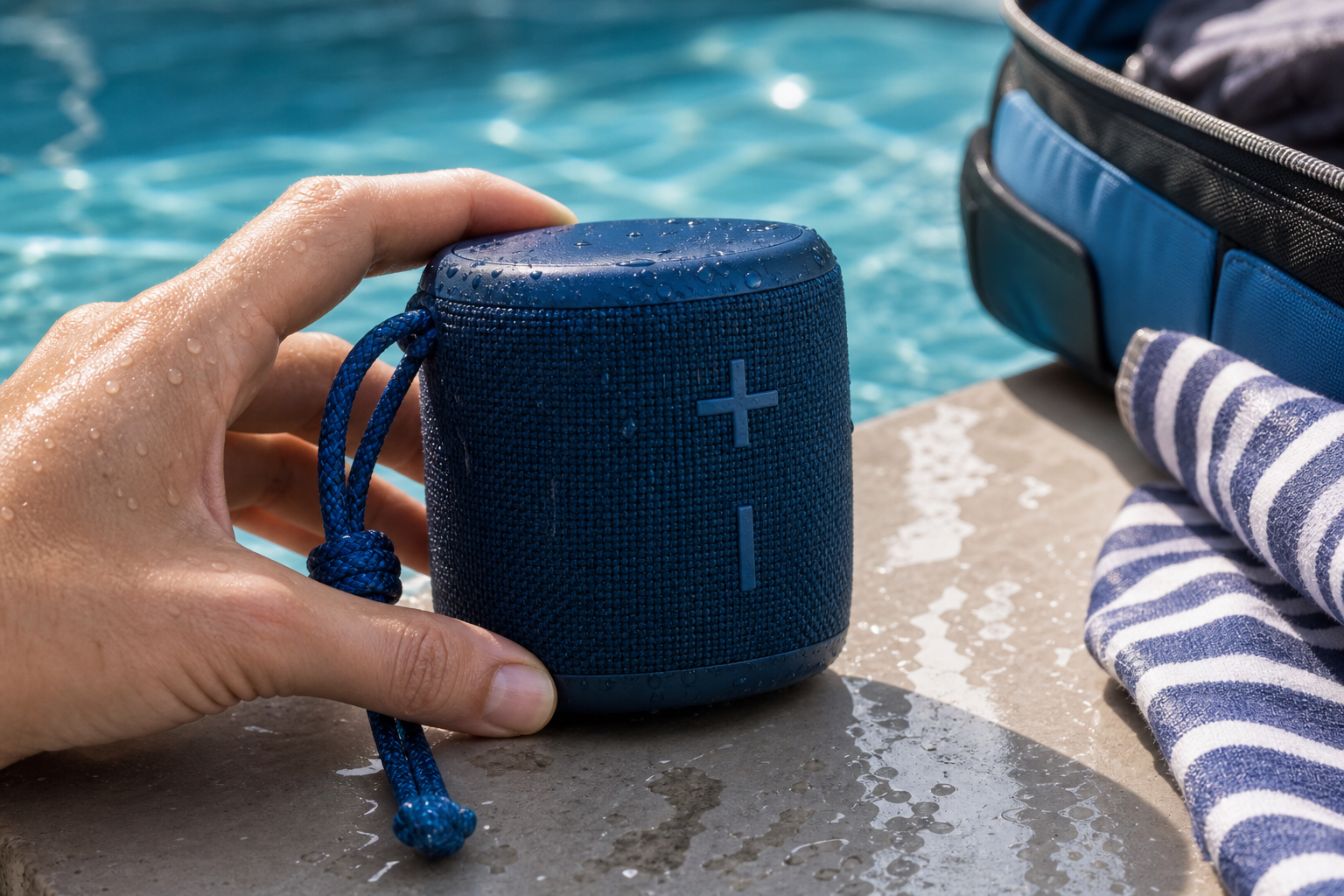
Compact Bluetooth speaker
For chilling by the pool or on your apartment balcony, a small water-resistant speaker is ideal. For €25 to €50 you'll find sturdy models that sound great and take up hardly any space in your suitcase.
Protecting your phone from water, sand and drops
| Type of protection | Pros | Cons | Best for |
|---|---|---|---|
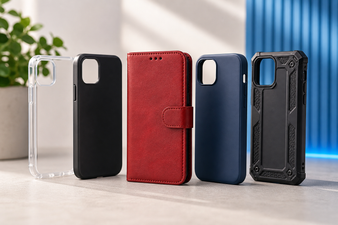
| Standard silicone case | Lightweight, good grip, absorbs minor knocks on hard floors. | No protection against water, dust or fine sand in the ports. | City breaks, museums and everyday car journeys. |
| Fully waterproof case | 100% sealed against water (IP68), sand and dust. | Makes the phone bulky; audio often sounds muffled on calls. | Beach holidays, boat trips and heavy pool use. |
| Waterproof pouch | Cheap, fits any phone, often floats on the water. | Touchscreen responds more slowly; photos are less sharp through the plastic. | Short water activities such as snorkelling or an afternoon of kayaking. |
Sand is the biggest enemy of your screen and charging port. Even scratch-resistant Gorilla Glass gets damaged as soon as you put your phone in a pocket or beach bag with grains of sand in it. That's why a tempered glass screen protector is a must: it takes the scratches, and you can easily replace it after your holiday for a few euros. Avoid cheap plastic films, as they offer no protection at all against impact damage if you drop your phone on hard pool tiles.
Direct sunlight quickly makes modern smartphones overheat, which permanently shortens your battery's lifespan. Never leave your phone in full sun on your towel or on your car's dashboard. Getting a temperature warning on your screen? Switch the phone off straight away, take it out of its case and put it somewhere cool in the shade. Go for a standard silicone case if you're mainly visiting cities and keep your phone in a bag. Go for a waterproof case if you're on the beach every day or doing water sports.
Get more out of your travel photography: the best gadgets
Flexible mini tripod: With its bendable legs, you can attach your phone securely to branches, railings or bike handlebars. This is crucial for pin-sharp night shots in dimly lit streets or steady timelapses of a sunset.
Compact selfie stick with Bluetooth remote: Forget clunky sticks with a fragile cable. A modern version often doubles as a tripod and has a detachable remote, so you can take group photos without handing your phone to a stranger.
Clip-on smartphone lenses: Clip a macro or wide-angle lens over your existing camera for unique perspectives. A wide-angle lens in particular makes it much easier to fit sweeping mountain views or tall cathedrals into the frame without having to walk far back.
Portable LED ring light: Clip a small, rechargeable light onto your phone for well-lit portraits on evening walks or at dinner. It avoids the harsh, unflattering shadows your phone's built-in flash creates.
Polarising filter (CPL): Twist this small filter in front of your lens to cut glare on water and glass. It makes the sky a deeper blue and means you actually capture the fish under the surface instead of a white reflection.
Getting your phone ready for the journey
A smooth start to your holiday begins with the right digital prep at home on the sofa. On the way, you'll often deal with patchy signal, strict data limits or painfully slow Wi-Fi at airports and service stations. By getting your phone travel-ready in advance, you avoid panic when you need to show your boarding pass or hotel address without an internet connection.
The prep you need varies a lot depending on how you travel. If you're flying, the focus is on offline entertainment for the flight and saving battery during long waits. A road trip, on the other hand, needs a constant power supply for battery-hungry navigation apps and secure mounts. Either way, make sure you run a fresh cloud backup on your home Wi-Fi, so you don't lose valuable data if your phone is lost or stolen on the way.
Step by step: getting your phone offline and travel-ready
-
1
Download offline maps in Google Maps
Select the area of your destination and save the map to your phone. That way you can navigate narrow streets without using a single MB of mobile data.
-
2
Save travel documents and tickets to your phone
Never count on a working internet connection at the check-in desk or at customs. Save PDFs of your flights, hotel bookings and insurance documents in a local folder or your phone's wallet app.
-
3
Download offline language packs
Install the language of your holiday destination in Google Translate for offline use. It's an instant help for reading menus or talking to taxi drivers in areas with no signal.
-
4
Free up storage for new photos
Nothing is more frustrating than a 'storage full' message just as you spot a dolphin jumping. Move old videos and photos to an external hard drive or the cloud before you leave.
-
5
Download playlists and films
Streaming services eat through your data allowance and stutter in tunnels or on the plane. Download your favourite series and Spotify playlists at home over Wi-Fi for uninterrupted entertainment.
-
6
Set up a Medical ID
Add your emergency contacts and medical details (such as blood type and allergies) in your phone's settings. Emergency services can read this information from your lock screen if you have an accident.
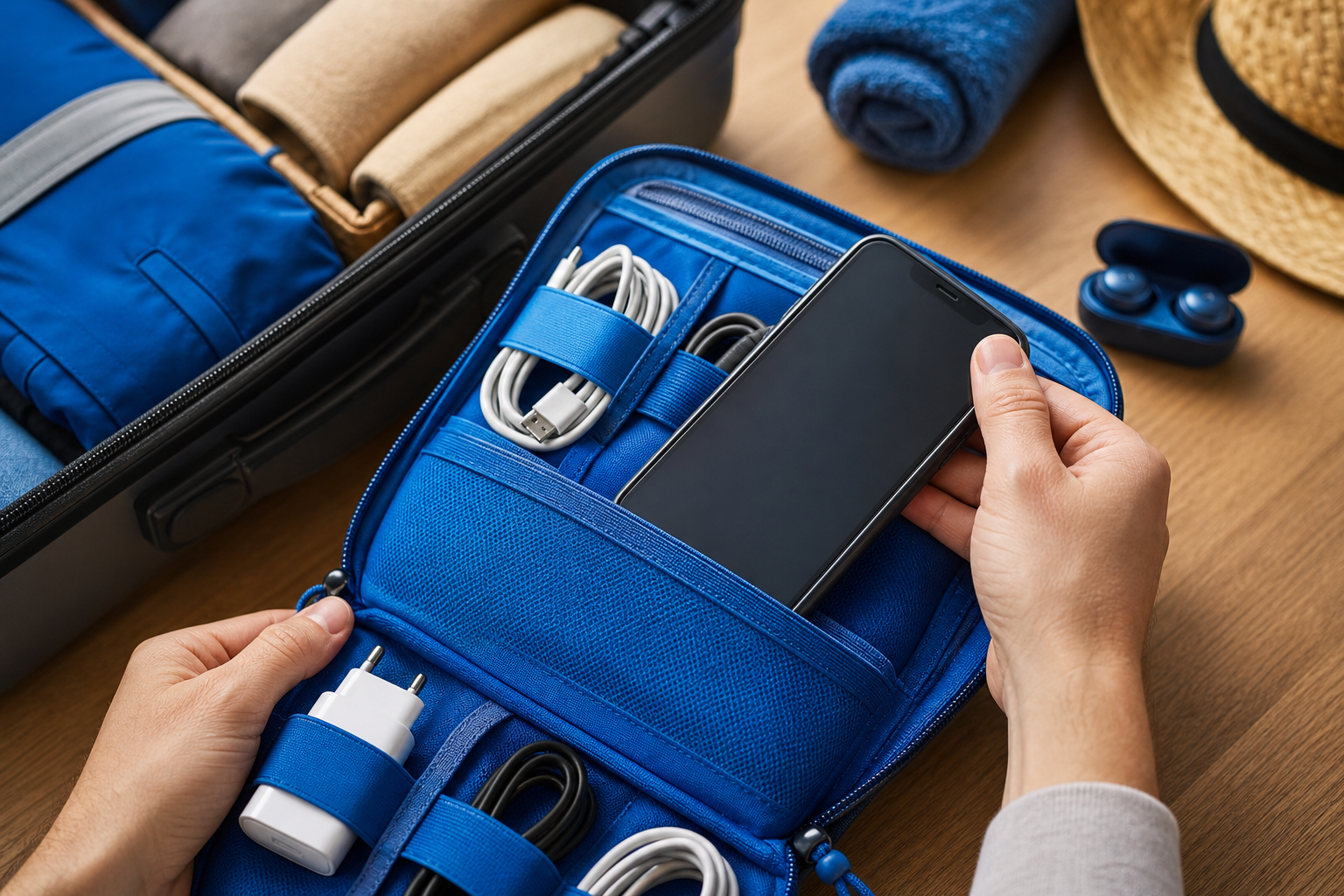
Must-have accessories for a road trip
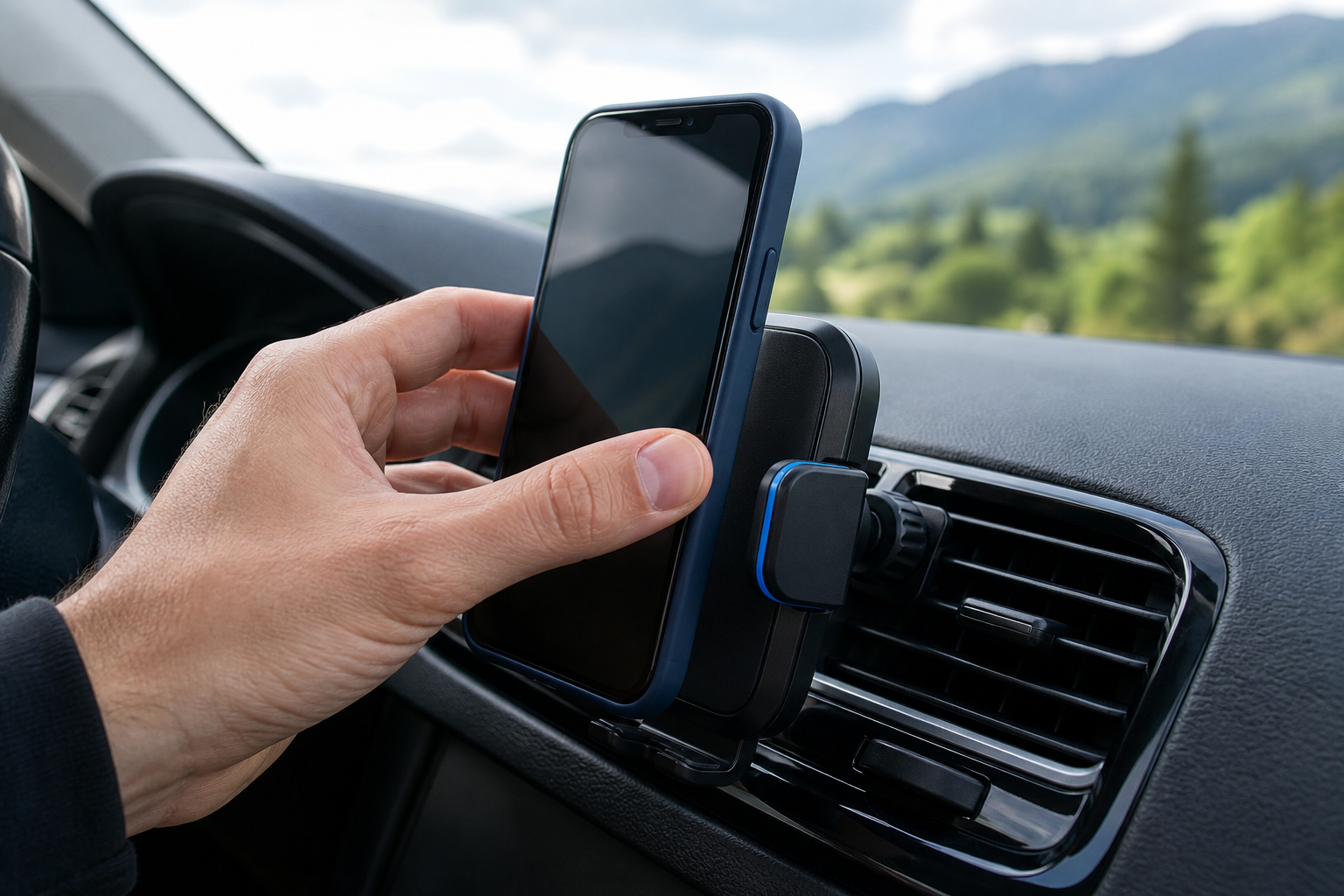
Sturdy car phone holder
Safety comes first on a long road trip. Choose a car phone holder that clicks firmly onto the dashboard or air vent, so you can navigate hands-free without taking your eyes off the road.
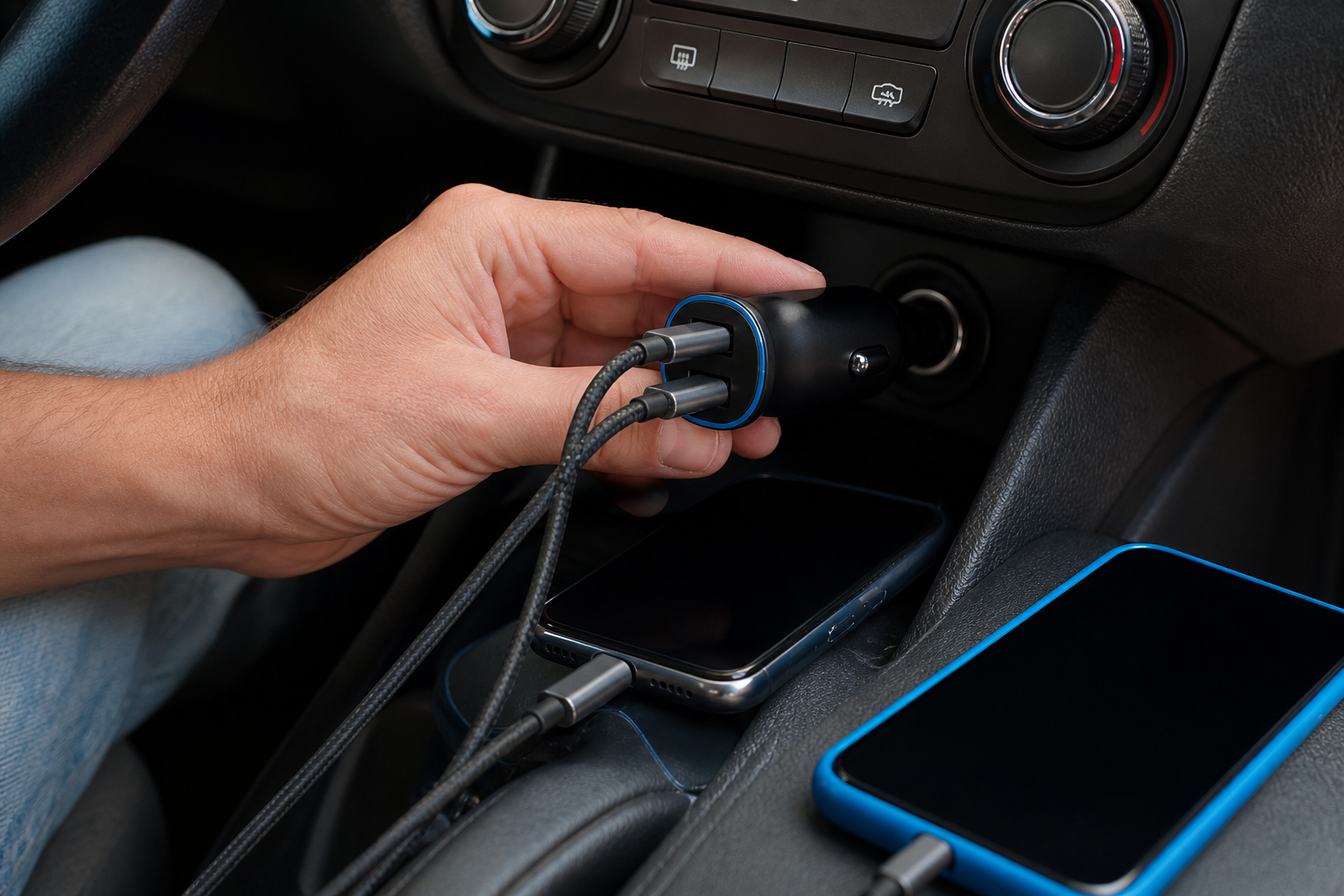
Fast car charger with multiple ports
Navigation apps combined with high screen brightness drain your battery fast. A car charger with at least two USB ports prevents arguments in the car, because the driver and passenger can charge at the same time.
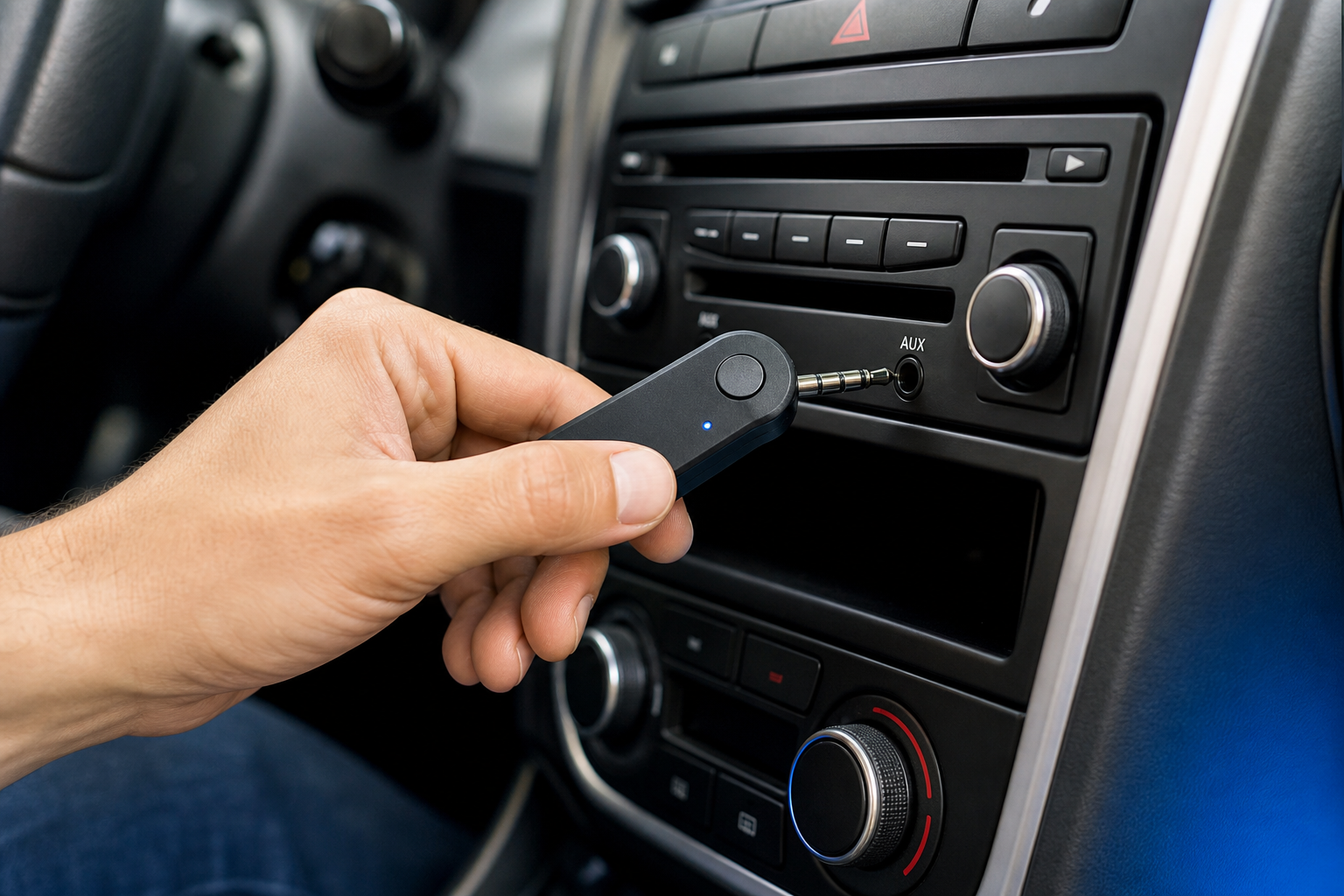
Bluetooth receiver or AUX cable
Driving an older hire car without a modern infotainment system? A simple Bluetooth receiver that plugs into the AUX port connects your phone wirelessly to the car stereo, so you get your own music and clear navigation directions.
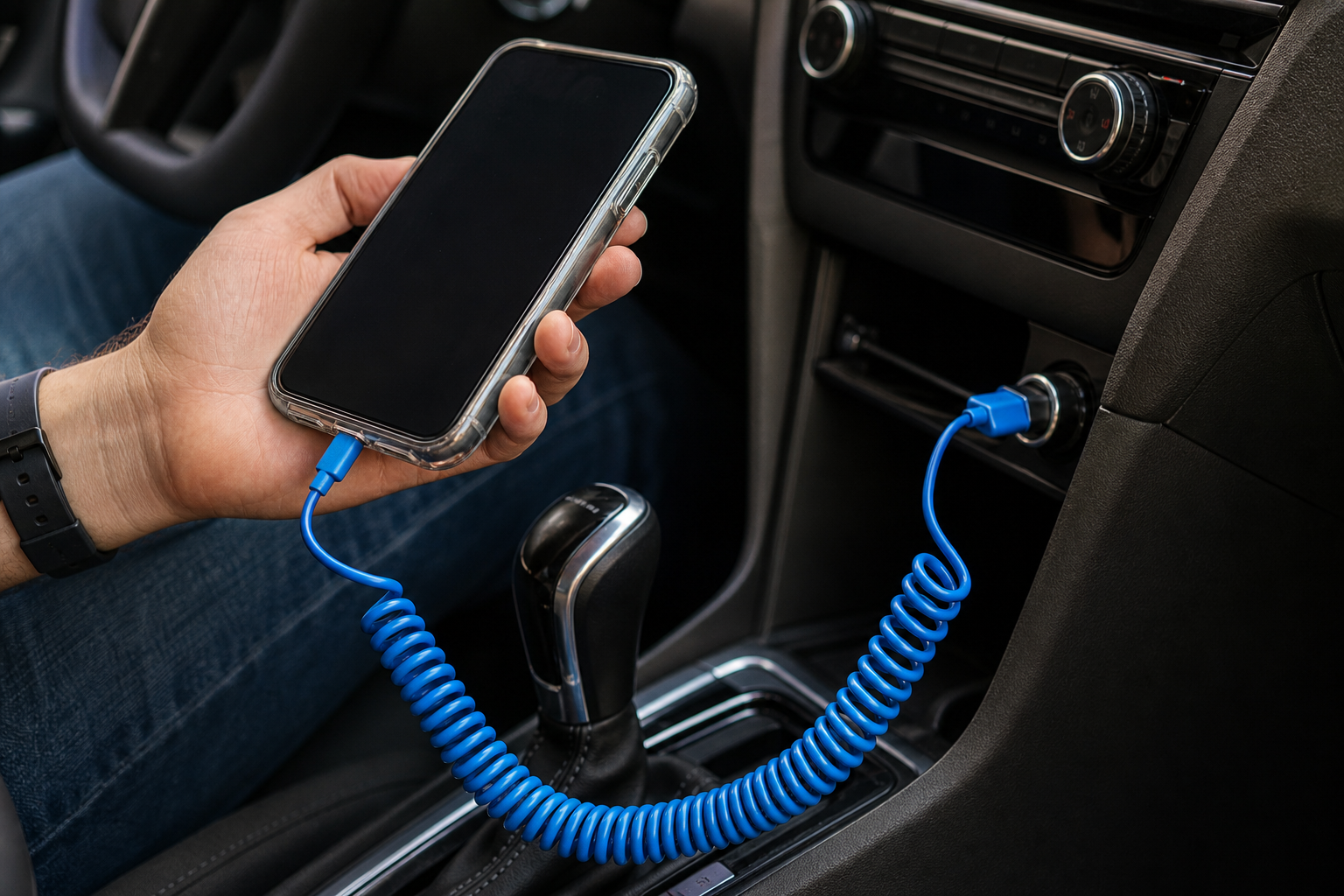
Short coiled charging cable
Avoid a tangle of long leads around the gear stick. A coiled cable stretches when you pick up your phone but springs back tight while you drive, keeping your centre console tidy.
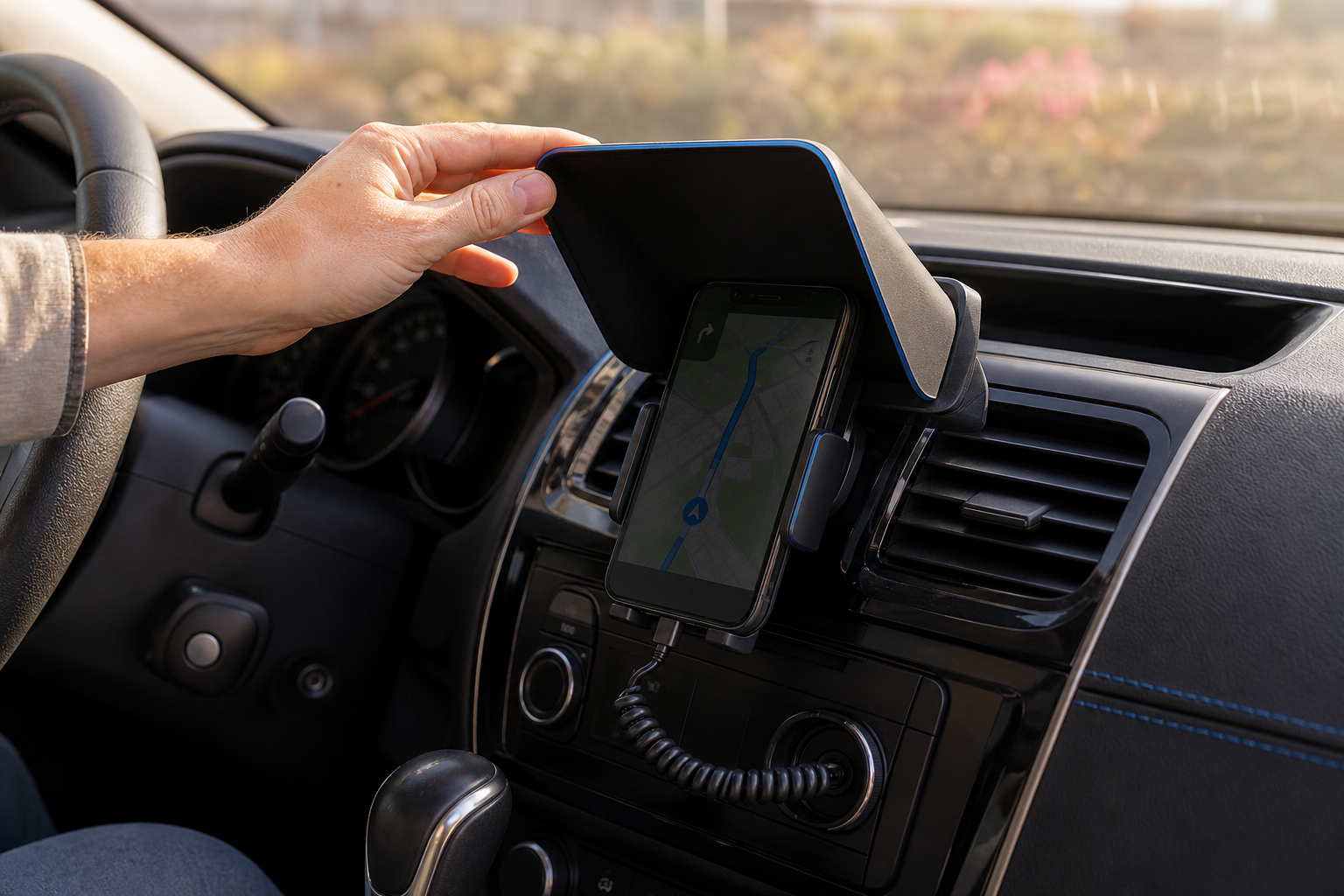
Sun shade for your phone
In bright sunlight you can barely read your screen, and a phone left in full sun quickly gets too hot. A foldable sun shade fits around your phone, so you can see your map or route more clearly and your phone stays in the shade.
FAQs about travel phone accessories
What size power bank can I take on a plane?
You can take a power bank of up to 27,000 mAh (100 Wh) on a plane without special permission. Always pack it in your hand luggage, as lithium-ion batteries are strictly banned from the hold because of the fire risk. For most travellers, a capacity of 10,000 to 20,000 mAh is the perfect balance between portability and enough charge for your phone on holiday.
How do you best protect your phone from water damage on holiday?
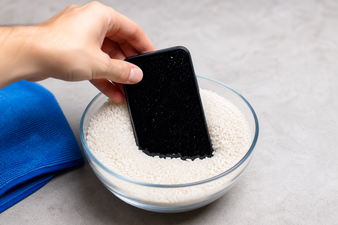
Use an IP68-certified waterproof case that fully seals your phone against moisture and dirt. Even phones that are water-resistant out of the box lose that protection over time through wear and tear or small drops. After contact with salty seawater or chlorine, always rinse your phone straight away with fresh tap water to prevent corrosion in the charging port.
What are the best compact phone gadgets for backpackers?
A multi-port fast charger (GaN technology) and a universal travel adapter are the absolute basics for backpackers. They save weight and space in your bag, and let you charge your phone, earbuds and e-reader at the same time in any hostel. Add a sturdy screen protector and a phone lanyard to help prevent theft at busy markets and train stations.
With the right prep and accessories, such as a reliable power bank, a sturdy phone holder and a waterproof case, you'll avoid stress and costly damage on your holiday. Check your current travel kit today, order the missing items from our packing list and set off with peace of mind!