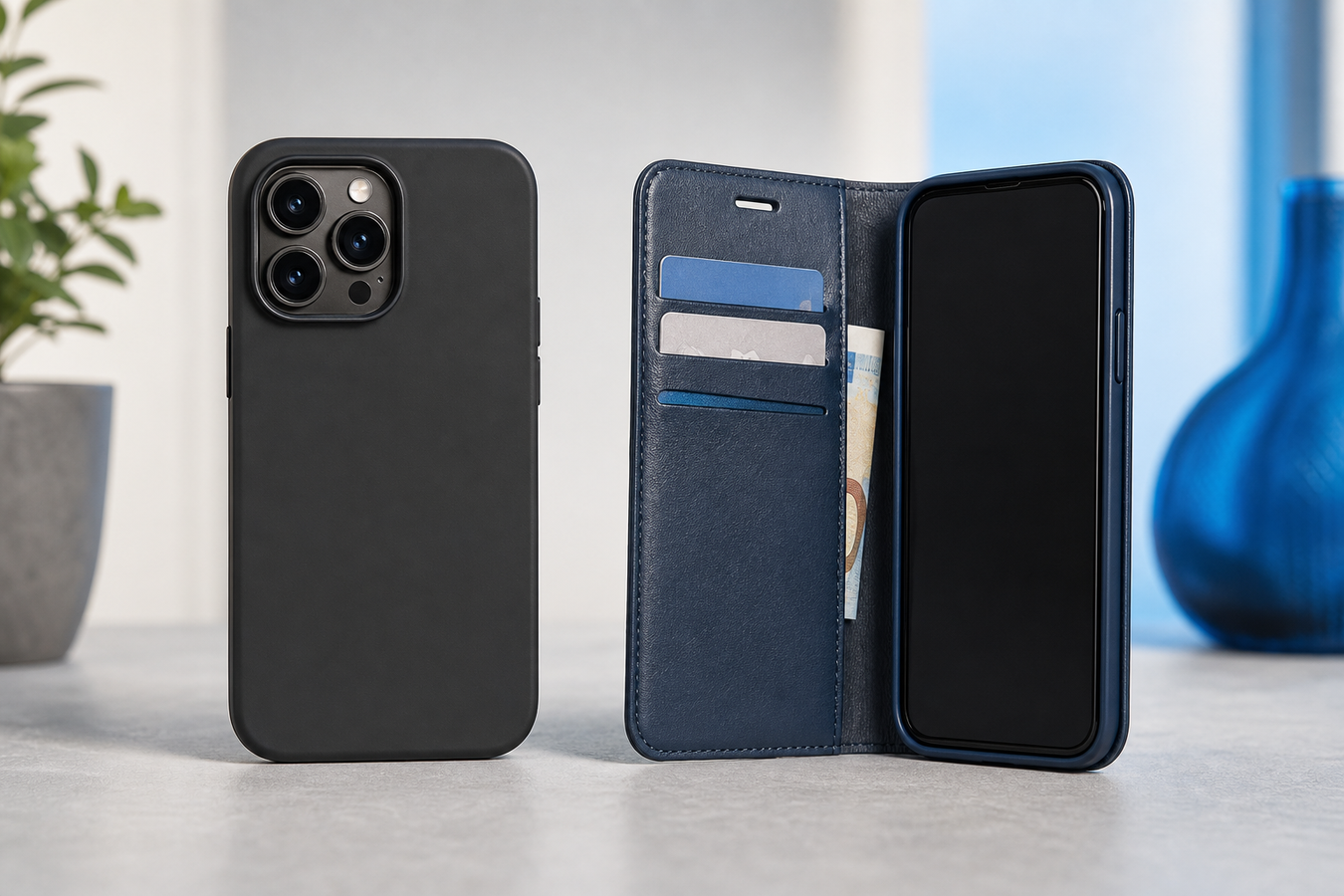
You've just bought a new smartphone, but now you're facing the next challenge: a huge and sometimes overwhelming range of accessories. Pick the wrong one and you'll quickly get frustrated, or worse, end up with a cracked screen after an unexpected drop on the pavement. Repairing a modern screen can cost hundreds of euros, so choosing the best phone case has a direct impact on your wallet. In this guide, you'll find out exactly which phone case to buy based on your lifestyle. Whether you need maximum drop protection for physically demanding work or a handy phone lanyard for your train commute. We skip the vague marketing claims and look purely at materials, fit and everyday ease of use.
The most popular types of phone cases compared
Do you go for a slim design, or does maximum safety come first? There are four main categories, each with specific pros and cons that affect how you use your phone every day.
Case type |
Construction & functionality |
Level of protection |
Ideal for... |
|---|---|---|---|
Back cover |
Protects the back and sides. Keeps your phone light, thin and easy to access. |
Basic to medium. The screen stays fully exposed and vulnerable to direct impact. |
Quick access, a minimalist look, frequent carrying in tight trouser pockets. |
Wallet case |
Has a front flap, often with slots for cards or notes. |
High (360-degree). Protects the screen from scratches caused by keys in a bag. |
People who want to leave their wallet at home and carry their phone in a bag. |
Heavy Duty case |
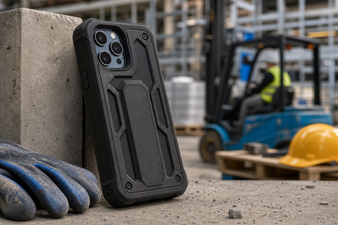
Extra-thick, shock-absorbing edges (often TPU combined with hard plastic). |
Maximum. Often tested for extreme drops from heights of up to 5 metres. |
Construction workers, outdoor sports fans, DIYers and people who drop their phone a lot. |
Neoprene band worn around the upper arm, holds the phone tight against your body. |
Low against drops, high against sweat, rain and unwanted slipping. |
Runners, hikers and fitness fans who want to keep their hands free. |
Go for a back cover if you unlock your phone a hundred times a day and want to see notifications straight away. Go for a wallet case if your phone often sits loose in a shoulder bag full of sharp objects. Avoid slim cases altogether if you work in a physically demanding environment.
Back covers vs wallet cases
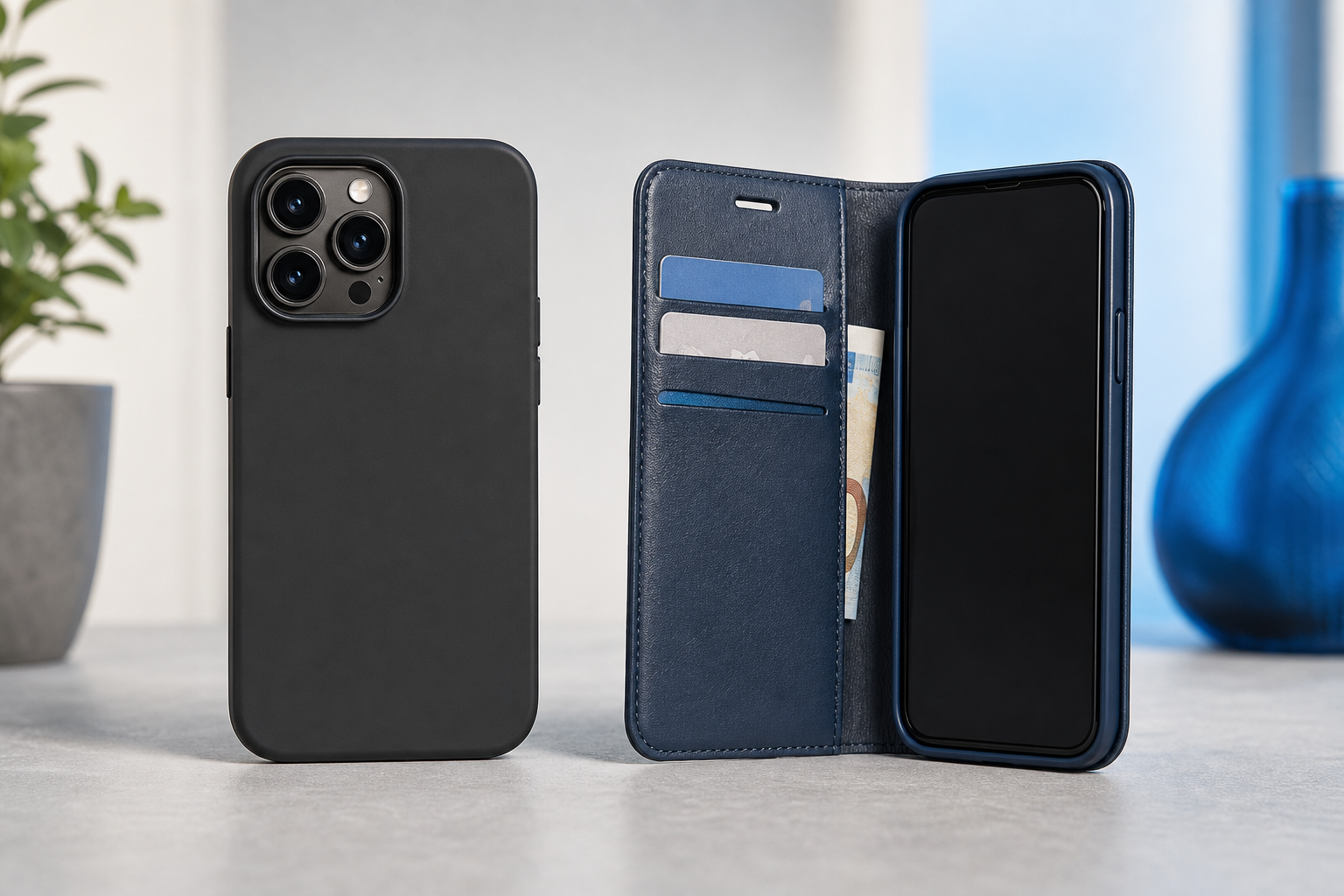
Most people can't decide between a back cover and a wallet case. The two options suit completely different types of users and affect how long your phone lasts.
Back covers for speed and convenience: A back cover keeps your phone slim and light, which makes one-handed use a lot easier. Because the screen is always exposed, you can reply to incoming messages or calls straight away. This type is ideal for wireless charging and slips easily into tight trouser pockets.
Wallet cases for 360-degree coverage: A wallet case (sometimes called a flip case) wraps all the way around your phone. The front flap protects your screen from scratches, which helps your phone hold its trade-in value. The inside often has handy card slots, but be careful: too many cards push the flap open, which reduces protection if you drop it.
2-in-1 cases as a compromise: Some models combine the best of both. You magnetically detach the back cover from the wallet case when you're relaxing on the sofa at home, then simply clip it back in when you head out.
Go for a back cover if you value a lightweight phone and quick interaction. Go for a wallet case if you want maximum scratch protection and like to keep your bank card and driving licence to hand.
For active users: phone lanyards and running armbands
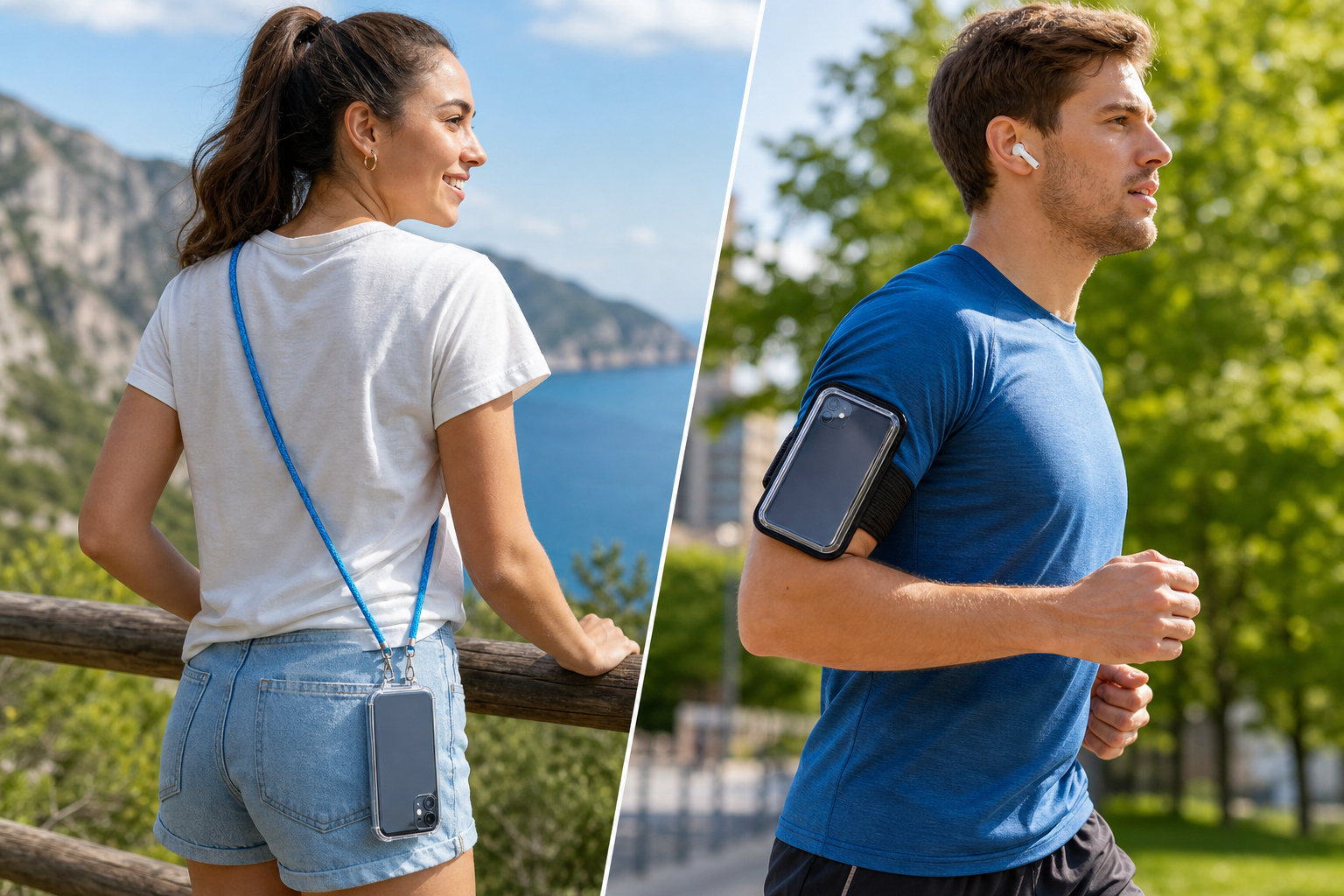
Cases with lanyard stop your phone from falling while you're travelling, hiking or at a busy festival. You wear the phone crossbody or around your neck, so your hands stay free but your phone is always within reach for a quick photo. This greatly reduces the risk of drop damage, simply because the phone is physically attached to your body and can't slip out of your hands.
For intense exercise, though, a lanyard isn't suitable, because the phone keeps bouncing against your chest or hip. Sports armbands keep your phone comfortable and stable against your body while you run or work out. You slide the phone into a holder made of sweat-resistant material and fasten it tightly around your upper arm with Velcro. It doesn't restrict your movement and prevents moisture damage to the charging port.
Choose a phone lanyard for city breaks, festivals and gentle walks. Skip the lanyard and choose a running armband for running, strength training or mountain biking.
How much drop protection does your smartphone need?
Not everyone needs heavy armour around their phone. Assess your own risk profile to avoid carrying unnecessary weight in your pockets, or putting your screen in harm's way.
Usage situation |
Drop protection needed |
Specs to look for |
|---|---|---|
Office & home use |
Basic protection |
Slim material (silicone or thin polycarbonate). Protects against scratches on the table and light knocks from sitting height. |
Commuting & public transport |
Medium protection |
Raised edges around the camera and screen. Prevents the glass from cracking if the phone lands flat on paving stones. |
Construction, industry & outdoors |
Maximum protection |
Military drop tests (MIL-STD-810G), thick shock-absorbing bumpers on the corners, sealed charging ports against dust and water. |
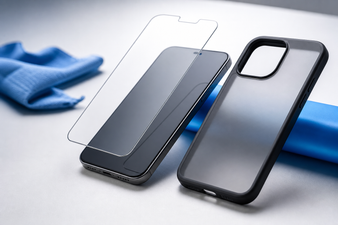
The importance of raised, shock-absorbing edges is often underestimated when buying a case. These small lips make sure the impact of a drop is absorbed by the flexible case rather than the fragile camera lens or glass. Even so, not even the most protective phone case can fully guarantee your phone will survive a direct hit on sharp stones. That's why you should ideally always pair a back cover or shockproof phone case with a tempered glass screen protector for the best defence.
Key extras: MagSafe, materials and sustainability
These days, a phone case does more than protect against drops. Modern materials and built-in MagSafe magnets determine how you use your phone in the car or on your desk.
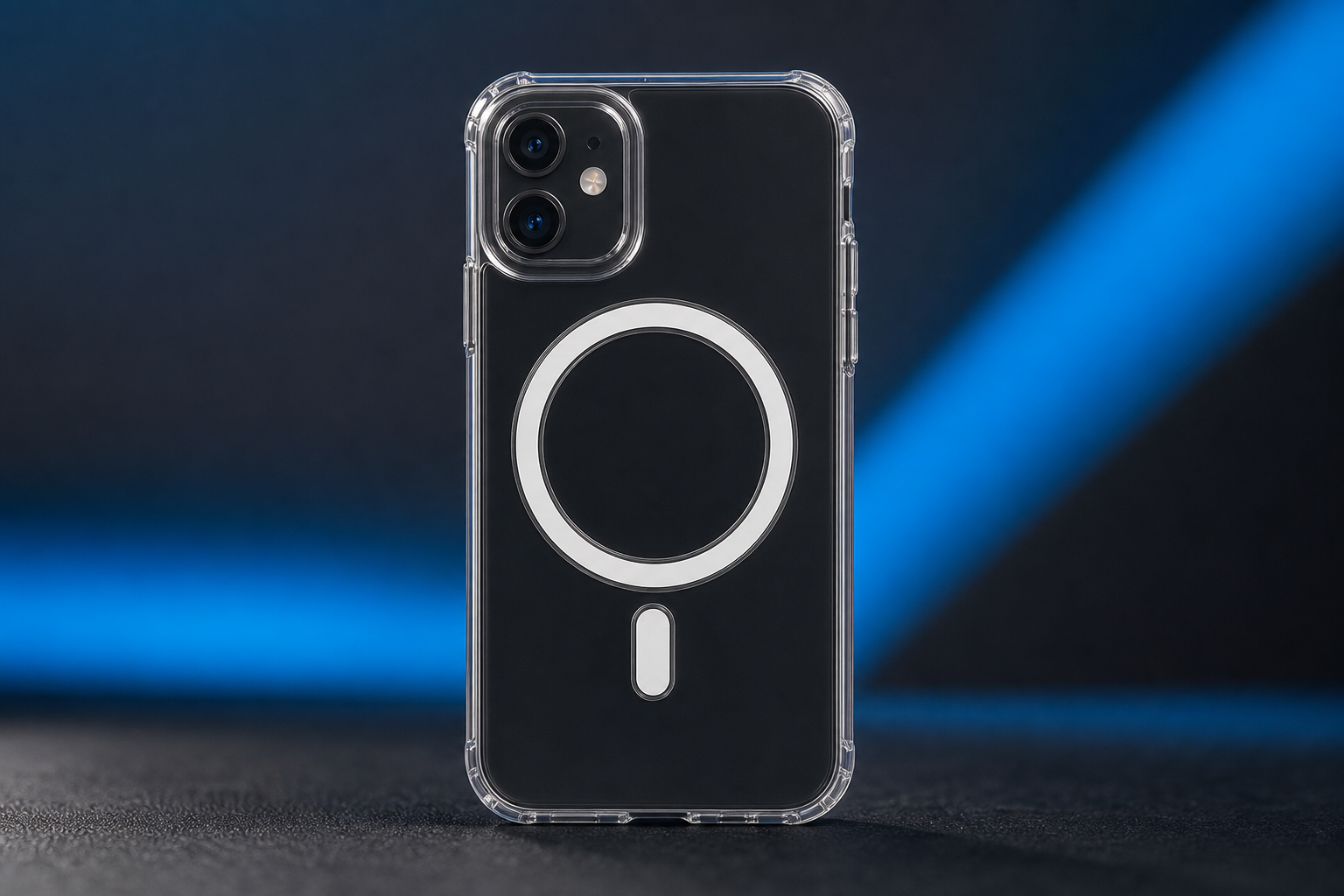
MagSafe for a secure connection: MagSafe cases are essential for iPhone users who use magnetic MagSafe accessories or chargers. Without the built-in MagSafe magnetic ring in the case, your phone will fall off a car mount at the first speed bump, or simply won't charge wirelessly as efficiently.
Material determines grip: Silicone and TPU (thermoplastic polyurethane) feel grippier, which drastically reduces the chance of your phone slipping out of your hands. Hard plastic, on the other hand, slides in and out of tight trouser pockets more easily, but offers considerably less shock absorption if you drop your phone hard on tiles.
Sustainable phone cases are gaining ground: Sustainable phone cases made from recycled plastic, cork or biodegradable material are becoming a serious alternative. Brands are increasingly using plant-based polymers that offer exactly the same level of protection as traditional, polluting plastic.
Choose silicone or TPU if your phone often slides off the sofa. Choose hard plastic for minimal friction against your clothes. Make sure your case is explicitly MagSafe-compatible if you're invested in the Apple ecosystem or use MagSafe power banks.
Step by step: which phone case should I buy?
Follow these four steps to avoid buying the wrong case and get the right accessory for your specific phone first time.
-
1
Work out your main usage situation:
Do you work in an office, spend your days on scaffolding, or do a lot of sport? For construction work, you need a Heavy Duty case with extra-thick corners. For everyday office use, a slimmer back cover that fits easily in your blazer pocket will do.
-
2
Choose the style and level of protection you want:
Decide whether you want an exposed screen for quick access, or all-round protection with a front flap. If you go for the open option, add a screen protector straight away to prevent scratches from keys in your pocket.
-
3
Check the exact model name of your phone:
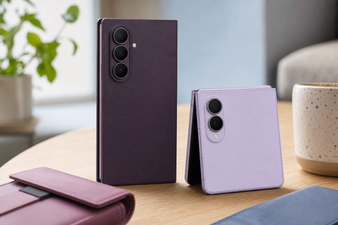
An iPhone 15 case won't fit an iPhone 15 Pro, and a Samsung Galaxy S24 is genuinely different from the S24 Ultra. Check the exact name of your phone in the settings (usually under 'About' or 'About phone'). A few millimetres' difference in the camera bump makes the wrong case completely unusable.
-
4
Compare materials, grip and wireless charging support:
Check the product specs for MagSafe support or general compatibility with Qi chargers. Then decide whether you prefer the grippy, secure feel of silicone or the smooth, scratch-resistant finish of hard plastic.
FAQs about the best phone cases
What is the best material for a phone case?
In practice, TPU (thermoplastic polyurethane) offers the best balance for everyday use. It combines the flexible, shock-absorbing properties of silicone with the rigid strength of hard plastic. For extreme drop protection, a hybrid construction with a hard polycarbonate back and thick TPU edges beats cases made from a single material.
Is a back cover enough for everyday use?
Yes, as long as it has raised edges around the screen and camera lenses. For the average user who keeps their phone in a separate pocket, this gives more than enough protection against everyday knocks and minor drops. For complete peace of mind, though, always pair it with a tempered glass screen protector.
Do sustainable phone cases offer enough drop protection?
Yes, high-quality sustainable cases made from recycled materials or bioplastics offer exactly the same drop protection as regular plastic ones. Do pay close attention to the thickness of the edges in the design, though. Wafer-thin eco cases naturally protect less well against heavy impact than thicker versions with air cushions in the corners.
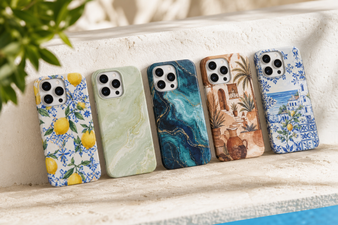
Don't just go for the prettiest design or the boldest colour; invest in a case that matches how you use and carry your phone every day. A bulky builder's case is awkward with a tailored suit, while a wafer-thin case won't stand a chance on a rugged mountain hike. Look up your phone's exact model number in the settings and order the right back cover, wallet case or sports armband today.