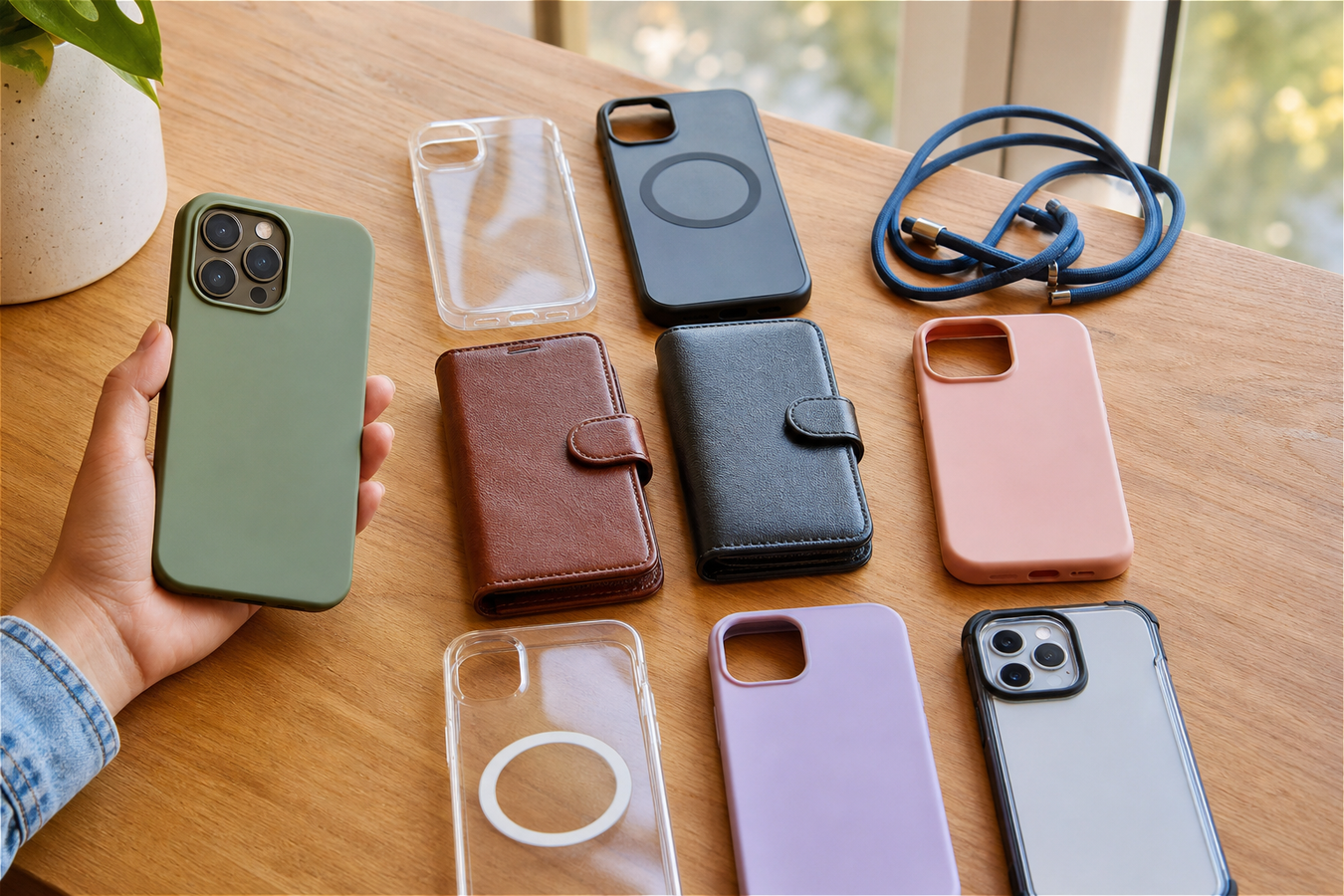
The pros and cons of different types of phone cases depend on their shape and material. A back cover is slim and light but leaves your screen exposed. A wallet case protects all sides and holds cards, but it adds bulk. Silicone cushions minor bumps, while leather can last a long time with proper care.
To find the right phone case, ask yourself what your phone is most likely to face day to day. This guide helps you choose based on how you use your phone and what you need to protect it from, from bumps that silicone can cushion to everyday wear that a wallet case can help prevent.
Which type of phone case offers the most protection?
Do you drop your phone often, or do you mainly want extra protection while doing projects around the house?
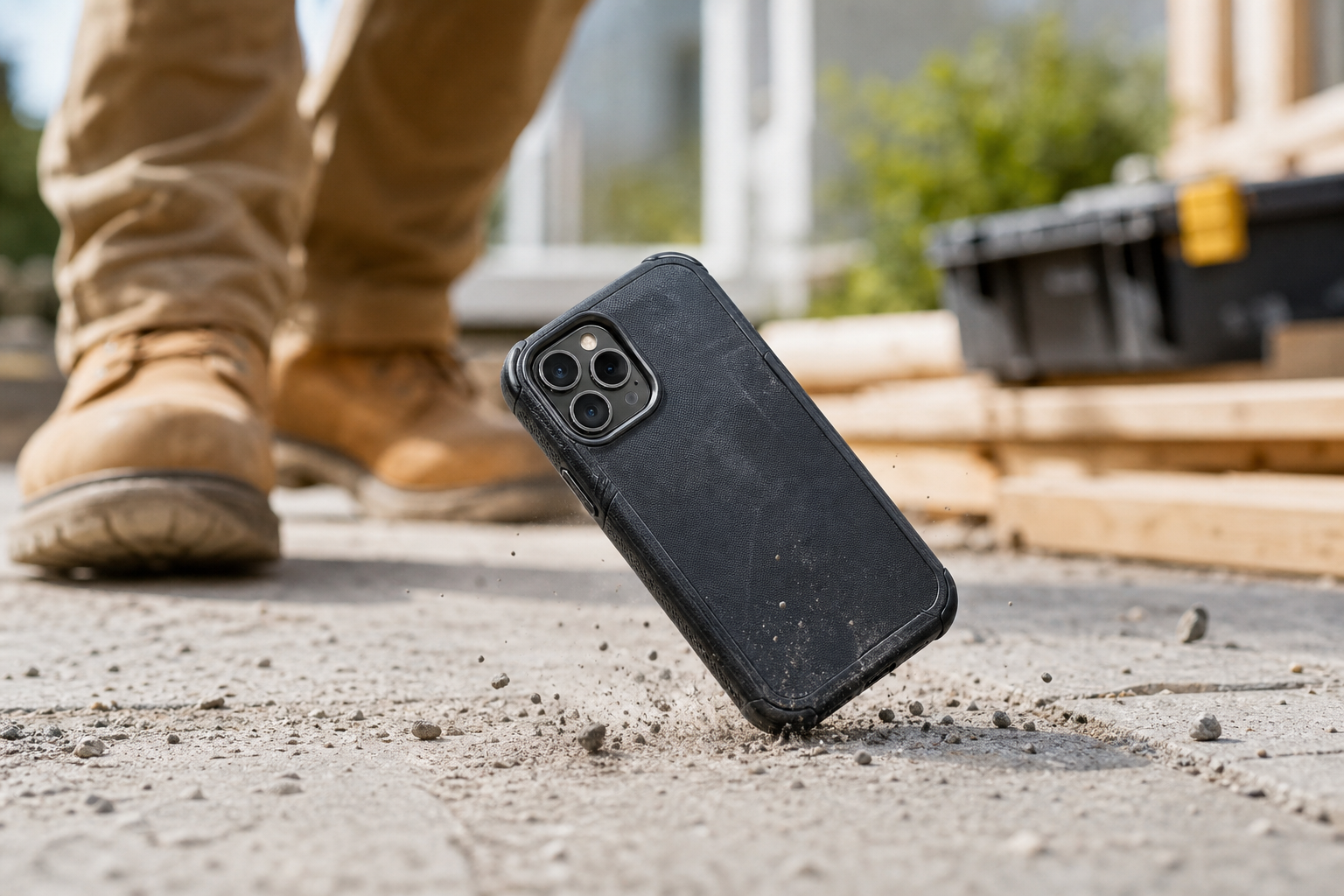
Protection is the main reason people buy phone cases. When a phone lands hard on tile, shock absorption matters. Thicker back covers with soft, shock-absorbing edges generally offer more protection than thin cases, but any case can leave a screen vulnerable to breaking.
For drop protection, look for a thicker protective case or a sturdy back cover with shock-absorbing TPU or silicone edges, raised corners, and a snug fit. Check the exact phone model and generation. A case made for a different iPhone or Samsung model may leave the corners less protected.
Use this checklist to assess a case’s drop protection:
Choose sides made from shock-absorbing material. A TPU or silicone edge gives slightly on impact, while a rigid edge can transfer more of the force to your phone.
Look for raised edges. The rim should sit slightly above the screen and camera lenses. If the phone lands flat, the rim can help keep the glass off the floor. How much it protects depends on the angle of the fall.
Check the cutouts for buttons, cameras, and ports. If they are misaligned, the case may sit loose or press buttons by accident.
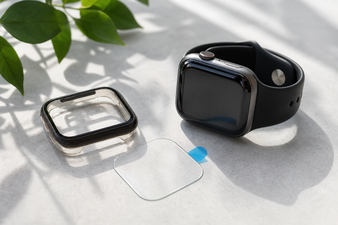
Use a screen protector. A shockproof phone case leaves the front exposed, so tempered glass adds a layer of protection.
This combination works well for construction workers, people who play sports, and anyone who drops their phone regularly. Browse phone cases that fit your device and how you use it.
Back covers: Is a hardcase or a soft case better?
A back cover protects the back and sides of your phone while leaving the front fully accessible.
The open front is the main trade-off. Back covers are light and practical, but they offer less direct screen protection than a wallet case.
A back cover suits you if you want to keep your phone slim. Its raised edges do most of the work to protect the screen. Add a screen protector, especially if your iPhone or Samsung phone often lands on hard floors.
A bumper is even simpler. It covers just the edges, leaving the back and screen exposed. It can help with grip, but it does little to protect the back from scratches.
Hardcases are back covers made of rigid polycarbonate or a similar plastic. They are thin, hold their shape, and slide easily in and out of a pocket. Rigid materials absorb less of a blow, so they can transfer the impact to your phone or crack themselves.
Soft cases made of silicone or TPU flex to absorb more of the impact. They often feel tackier and can be a little thicker, which also gives you more grip. TPU is usually a better choice for commuting or if your phone often slips out of your hand.
| Feature | Hardcase back cover | Silicone or TPU soft case |
|---|---|---|
| During a drop | Protects against scratches and minor bumps, with less cushioning. | Flexible material absorbs some of the impact. |
| Size | Thin and holds its shape. | Often slightly thicker because of the soft edge. |
| Pocket fit | Usually slides in easily. | May grip the fabric or pick up lint. |
| Wear | Can scratch or crack. | TPU can yellow, while silicone can collect dirt. |
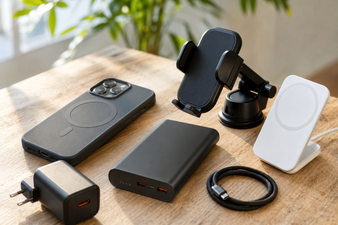
Consider MagSafe and wireless charging, too. A thick case, a metal piece, or a card holder can interfere with the magnetic connection and with charging. If you use magnetic accessories, look for a MagSafe case.
Choose a hardcase if a slim, smooth case that is easy to carry matters more to you than shock absorption. Choose TPU or silicone if you need more grip and protection from everyday drops. Skip a thin hardcase if your phone often lands on concrete or tile.
Popular back covers
Popular hardcases
Is a TPU or silicone case better?
Pull your phone out of your jeans in a hurry and the pocket lining may come with it. That extra grip is the main day-to-day difference between silicone and TPU. Both materials cushion impacts, but they feel quite different in use.
Grip and comfort (silicone): Silicone cases have plenty of grip, so your phone is less likely to slip out of your hand or slide off the arm of the couch. Most silicone cases are flexible and easy to put on. Their grippy surface can also pick up dust and pocket lint.
Cleaning (silicone): Wipe the case regularly with a damp cloth and a drop of mild dish soap. This helps keep the soft finish in good condition and prevents a sticky feel.
Shape and dirt (TPU): TPU (thermoplastic polyurethane) is firmer than silicone and more flexible than hard plastic. It resists stretching and tends to hold its shape better. How much dirt it picks up depends on the finish and how you use it. TPU cases also slide into and out of a pocket or bag more easily.
Which to choose: Pick TPU for a snug fit and good shock absorption. Go with silicone if grip matters most to you.
Why clear phone cases turn yellow
A clear phone case lets the original color and design show through. Discoloration is common, though. A clear case can start to look yellow or brown after a few months.
Choosing the right material can help limit discoloration. The table compares what you can expect from each material.
| Material | What causes discoloration | Chance of yellowing | Care and alternatives |
|---|---|---|---|
| Clear TPU (flexible) | Exposure to UV light, heat from the battery, and natural skin oils. | High. The flexible material almost always yellows eventually. | Remove oils regularly with water and dish soap. This may slow yellowing slightly. |
| Polycarbonate (hardcase) | This rigid plastic is less prone to the yellowing common in clear TPU. | Lower than with TPU, although discoloration can still occur. | Choose a clear hardcase to reduce the chance of yellowing. Clean it regularly, since fingerprints and scratches are visible on the clear surface. |
Popular silicone cases
Popular clear phone cases
What is the difference between a flip case and a wallet case?
If your phone often shares a bag with loose keys, it makes sense to protect every side. Both flip cases and wallet cases cover the phone, including the screen. The main differences come down to day-to-day use.
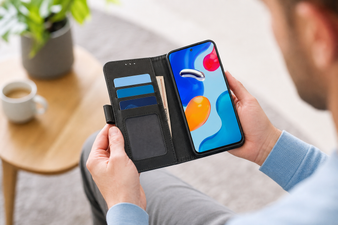
Wallet cases often have slots for cards and bills. On many models, you can fold the back to prop up your phone for watching videos. Check how the flap opens and whether the model doubles as a stand.
A flip case mainly protects the phone with a cover that closes over the screen. A wallet case is more likely to include card storage and a stand. Check each model, since the name alone tells you little about which way the flap opens.
| Feature | Wallet case | Flip case |
|---|---|---|
| Flap | The opening direction varies by model. | The opening direction varies by model. |
| Features | Often has card slots and doubles as a stand. | Check whether the model has card slots or doubles as a stand. |
| Handling | The flap can get in the way while you use the phone. | Check how the flap feels while you are on a call. |
A leather phone case gives a wallet case a refined look and can last a long time with proper care. Leather often develops a patina, but water, stains, and scratches can mark it. Choose a leather wallet case if you care more about the finish and carrying cards than keeping your phone slim.
Both styles add considerable bulk to a slim phone. Check wireless charging, too. A thick case, metal plate, or card holder can interfere with charging.
These cases work well for commuters who want to keep a transit card and a bank card handy. Pick a wallet case if you watch shows on the go, or choose a flip case if all you need is a cover that closes over the screen.
Leather cases: Appearance and durability
Why pay more for leather when plastic can also protect your phone?
Leather cases have a refined finish and can last a long time. Genuine leather feels firm and holds up well with proper care. Plastic can show scratches as it wears, while genuine leather develops its own patina with use.
Leather costs more and is especially sensitive to water. If you leave your phone in a puddle on a patio table, moisture can soak in and stain the case. To gauge drop protection, look at how the case is built and how its edges are designed.
Apply a leather conditioner occasionally to keep the material supple and help keep the edges from drying out and cracking.
Popular wallet cases
Popular leather phone cases
When should you choose a phone case with a lanyard or a waterproof case?
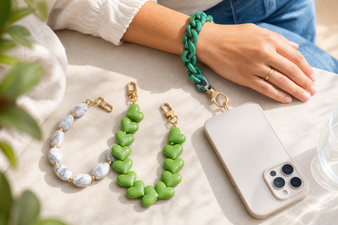
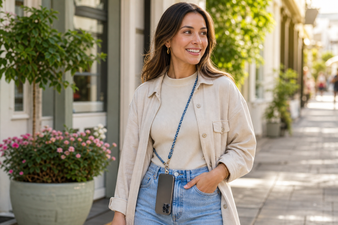
Your phone goes with you just about everywhere. A phone case with a lanyard comes in handy when you want to keep your hands free.
Wear your phone around your neck on vacation or at a crowded festival. Keeping it attached leaves your hands free and makes a damaging drop less likely. Check the attachment points, since the phone swinging on the lanyard can wear them down.
Taking your phone out on the water or working outdoors in harsh conditions? A waterproof case can protect it from water, sand, and dirt. Check the specific IP rating. It tells you what solid particles and water the case can keep out under test conditions. Check separately whether the case is rated for extended swimming or diving.
Before your first trip, test the seal at home in the sink with a piece of dry paper inside. If the paper stays dry, the case can be a practical option for traveling, outdoor activities, or festivals.
Popular cases with lanyards
Popular waterproof phone cases
Frequently asked questions
Does every case work with wireless charging or MagSafe?
It depends on the case. Thick wallet cases and cases with metal parts can prevent wireless charging by interfering with the connection between the phone and charger. If you use MagSafe, choose a case with a built-in MagSafe ring so the magnets line up with the charger.
How do I clean my phone case?
Clean silicone with lukewarm water and a little mild soap. Wipe oils off TPU occasionally with a damp cloth. Keep genuine leather away from water. Gently wipe away dirt with a dry cloth or use a leather conditioner to help keep the material from drying out.
Should I use a screen protector with a wallet case?
It is a good idea. When the flap is closed, dirt, grains of sand, and hard cards can rub against the glass. Over time, that friction can leave fine scratches on the screen.
Can I swim with a waterproof phone case?
Usually, no. Many cases protect only against heavy rain or splashes on a boat. If you want to use your phone underwater, look for an IP rating and check that the case is rated for diving. Test a new waterproof case in the sink first with a piece of dry paper inside.
Why is my clear phone case turning yellow?
Sunlight, heat, and skin oils can discolor the material over time. This is especially common with flexible TPU cases. Removing oils from the edges once a week with mild soap can slow yellowing slightly. If keeping the case clear matters to you, consider a clear polycarbonate hardcase.
Pick a case based on what you do every day. A sturdy TPU back cover offers drop protection, while a leather wallet case gives you extra storage. Browse all phone cases at directcases.com and enter your phone model in the search bar to see which cases fit.
What are the benefits of wallet cases and leather cases?
A leather wallet case is handy if you carry your phone loose in a bag and want to keep your cards with it. The flap helps protect the phone on all sides, while card slots and a built-in stand can come in handy on the train, on video calls, or during a long workday.
Choose a leather wallet case if the finish, screen coverage, and card storage matter more than keeping your phone slim. Genuine leather can last a long time with proper care and develops marks that many people like. A leather back cover makes more sense if you want the material without the flap or extra bulk.
Cards in the flap can interfere with wireless charging, and a thick leather case can be awkward during sports or in a tight pocket. Keep leather out of the rain and wipe it with a dry cloth, since water can leave stains.